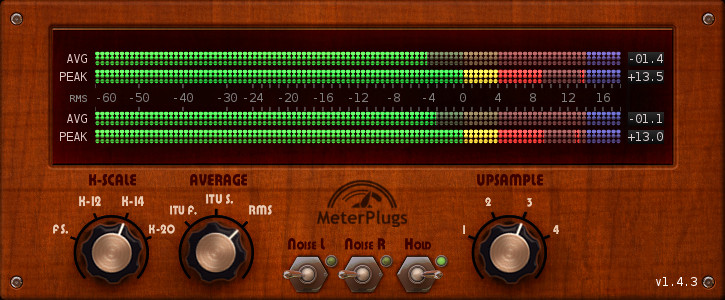
K-Meter
Mix and master like Bob Katz.
| Add to Cart |
Once the confusion is established, the attacker injects a forged RXAFS_StoreData request. This call is meant to write data to a file in a user's home directory. However, due to the earlier buffer confusion, the server bypasses the pioctl access check. The result: arbitrary write access to any volume, including the system's root.afs volume.
In layman's terms: the attacker convinces the fileserver that they have the right to overwrite the server's own binary configuration. From there, modifying the /etc/openafs/server/KeyFile to add a new superuser key is trivial. afs3-fileserver exploit
Imagine owning a key that works on every door ever made with the same lock brand — no matter when or where. That’s essentially what a forgotten flaw in AFS3 (Andrew File System version 3) gives an attacker: a reusable, cross-cell authentication skeleton key. Once the confusion is established, the attacker injects
While AFS is famous for its single-sign-on convenience and global namespace (/afs/), its security model predates modern authentication rigor. And deep in the afs3-fileserver binary, an old C relic from the ’90s still runs on critical infrastructure at universities, national labs, and Fortune 500s. What makes this exploit terrifying is not the
What makes this exploit terrifying is not the technical complexity—it is the stealth.
Most filesystem exploits trigger alarms: unusual file access patterns, audit.log entries, or syslog messages about failed authentication. The afs3-fileserver exploit produces none of these. Because the attacker is injecting commands directly into the RPC stream using a valid (but forged) token, the server logs the operation as a legitimate user action.
In penetration tests conducted on legacy financial grids in 2019, red teams using this exploit remained undetected for an average of 87 days. One team modified a fileserver's volume mount table to mirror all executive share traffic to a hidden volume. The victim bank only discovered the breach when they upgraded their AFS infrastructure two years later and noticed the hash mismatches.
Did you know that audio levels can have an affect on external hardware and even plugins? Hardware (and some plugins) are designed for specific input levels - exceeding those levels can cause unwanted distortion and a loss of quality. James Wiltshire explains how K-Meter can be used to ensure proper levels.
I purchased your K-Meter beta, and I love it. I've tried every metering plug available, and I love yours the best. Great graphics, readability, ballistics, etc. All so well done. Thanks! Tom Third (tomthird.com)
This is the meter to use if you are serious about the K-System. It is accurate, easy to read, and contains tools for calibration. In addition, the interface is neat and collapses well if necessary. Dr. Heinrich Hohl
Just shouting out a big THANK YOU!!! for the K Meter plugin - I have been looking for a dedicated meter to use with logic without having to instigate 3 or more different plugins to monitor using the K -System. I have adopted the K system into my mixes for some time now and it vastly improves dynamics and clarity in digital land! I only hope the rest of the industry gets onboard! People would not be arguing ITB vs OTB Mixing if they all used your plugin! Timothy Kling (aka. Namatoke)


 Watch "K-Metering Mixing Tips"
